
Can a 3-Year-Old Learn Cello? Why the Suzuki Method Works for Young Children
Micaela Murphy • August 28, 2026
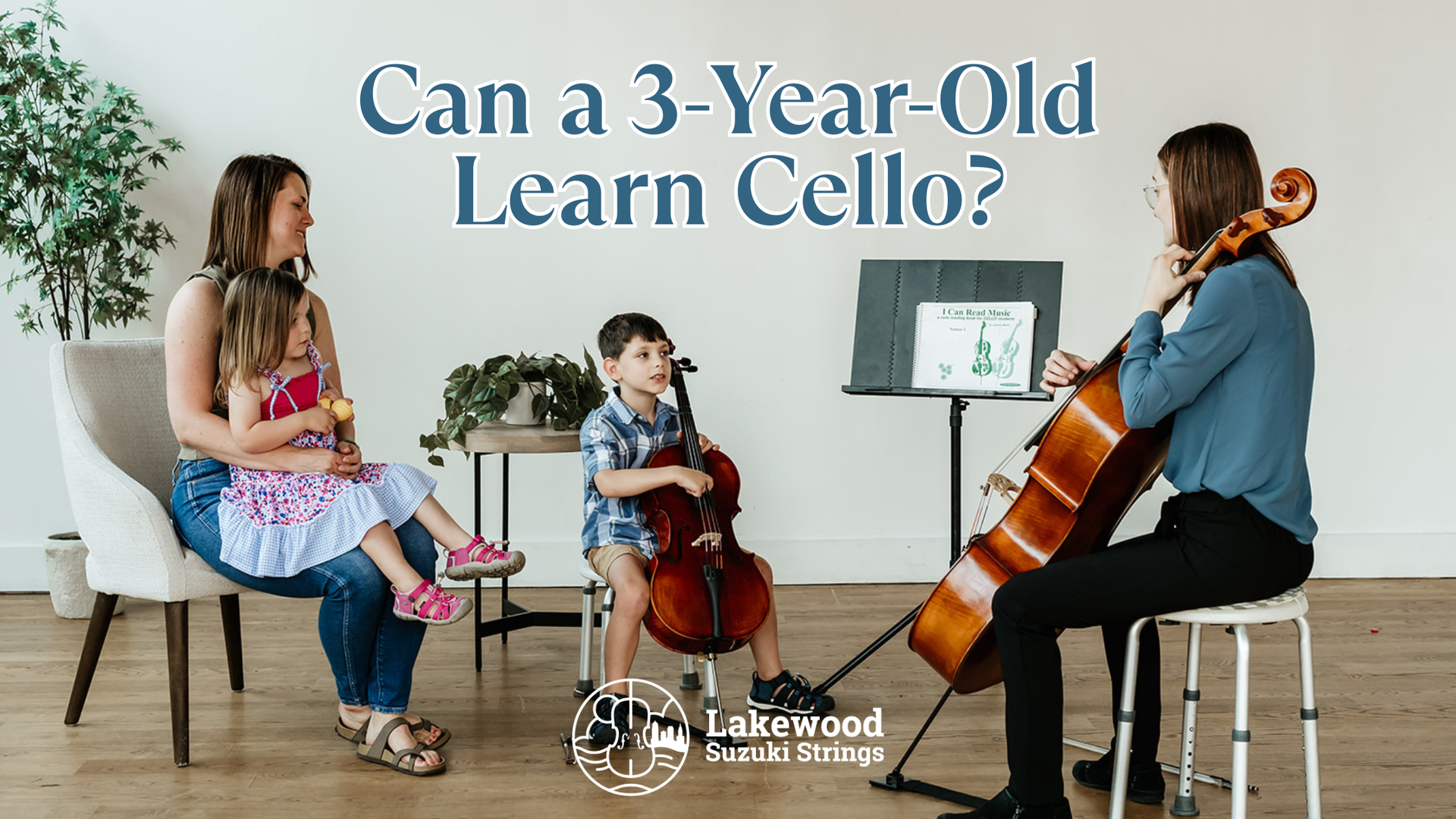
At Lakewood Suzuki Strings, the answer is a confident yes!
Starting cello at age 3 might sound ambitious at first, but the Suzuki Method was designed specifically with young learners in mind. Children at this age are naturally curious, eager to imitate, and unafraid of new skills. When these qualities are nurtured in a positive musical environment, children as young as 3 years old can easily learn cello naturally and at their own pace.
Dr. Shinichi Suzuki, the founder of the Suzuki Method, believed that every child can learn, and this philosophy shapes everything we do in early childhood lessons. Preschool aged children walk through the door to their first lesson full of curiosity and energy, and their Suzuki teacher meets them exactly where they are. With a nurturing teacher, an engaged parent, and a positive learning environment, young musicians can build a strong musical foundation.
Here is how the Suzuki Method makes that possible.
1. Parent Involvement
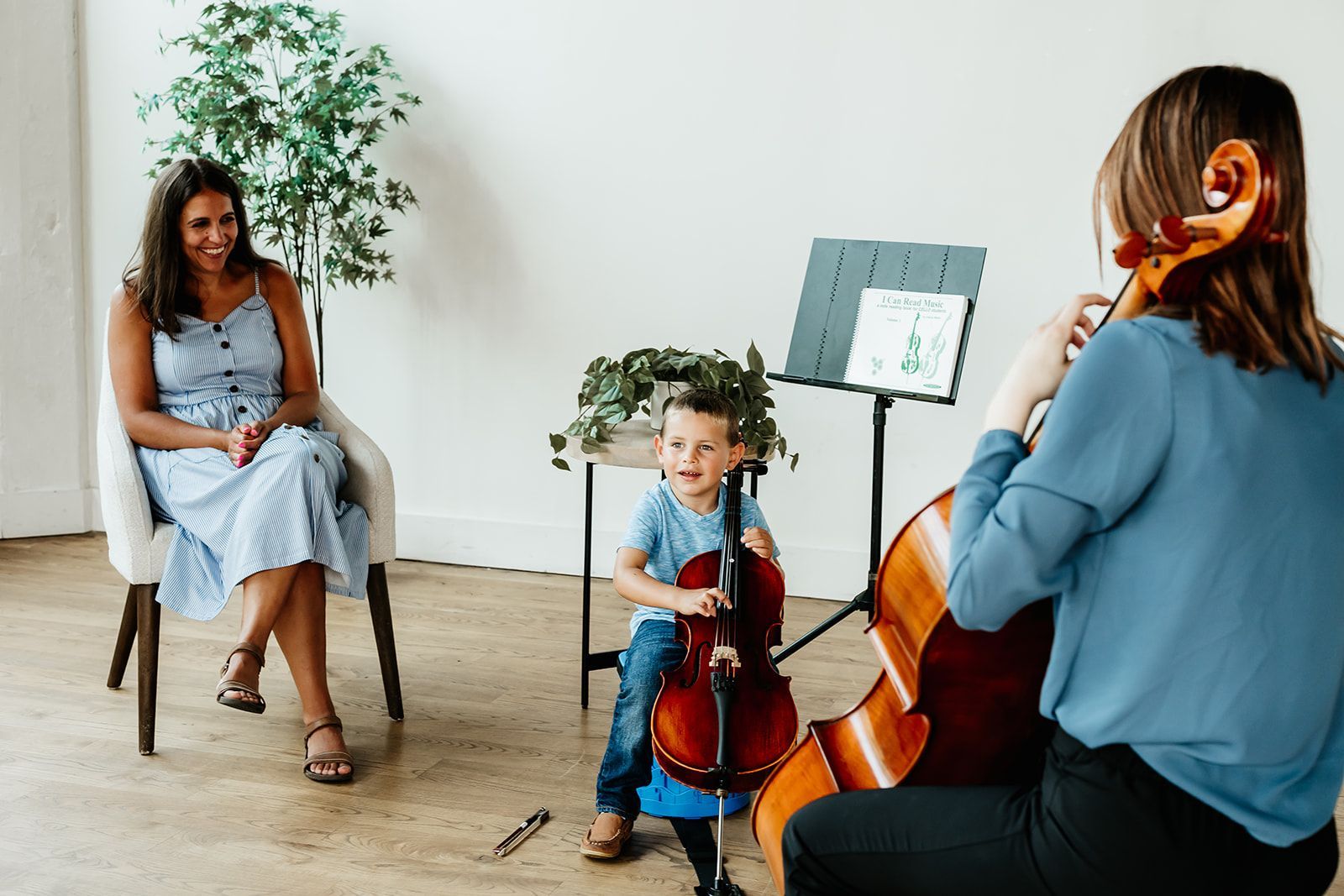
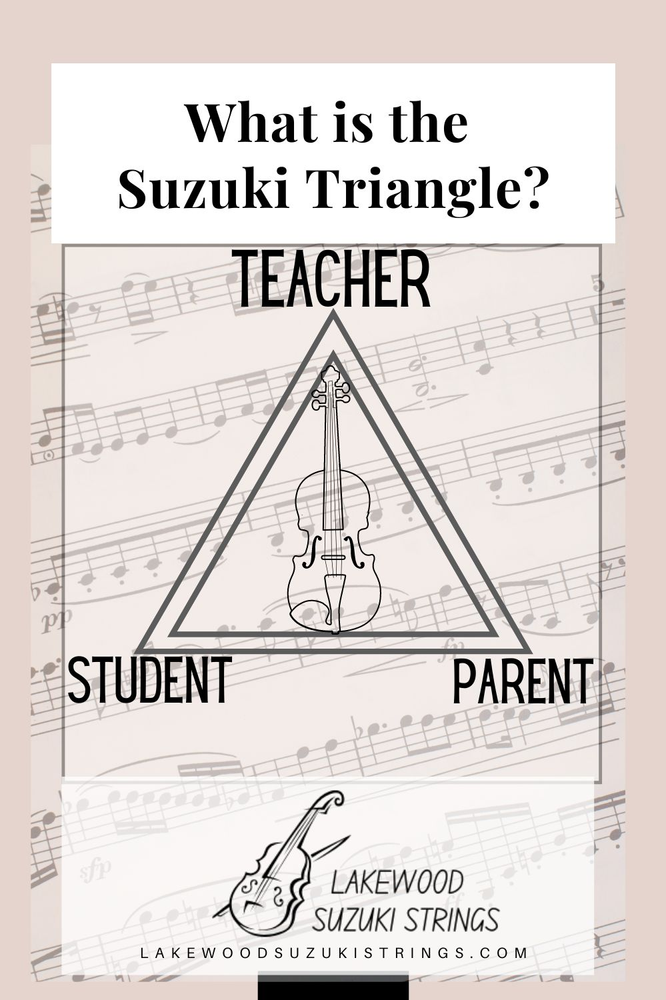
In the Suzuki Method parents aren’t just observers; they are active participants in the learning process. At Lakewood Suzuki Strings, parents attend lessons, take notes, and learn with their child. When the family goes home after lessons, the parent becomes their child’s daily practice partner, guiding them to reinforce and strengthen the skills learned in their lessons.
Consistent parental involvement makes an enormous difference. When a child has a supportive parent at home who helps them practice, they learn that daily habits compound into bigger results. This shared experience encourages your child to try new skills without fear, teaches them that it’s safe to make mistakes, and helps them develop the belief that they can do hard things.
2. A Positive, Encouraging Environment
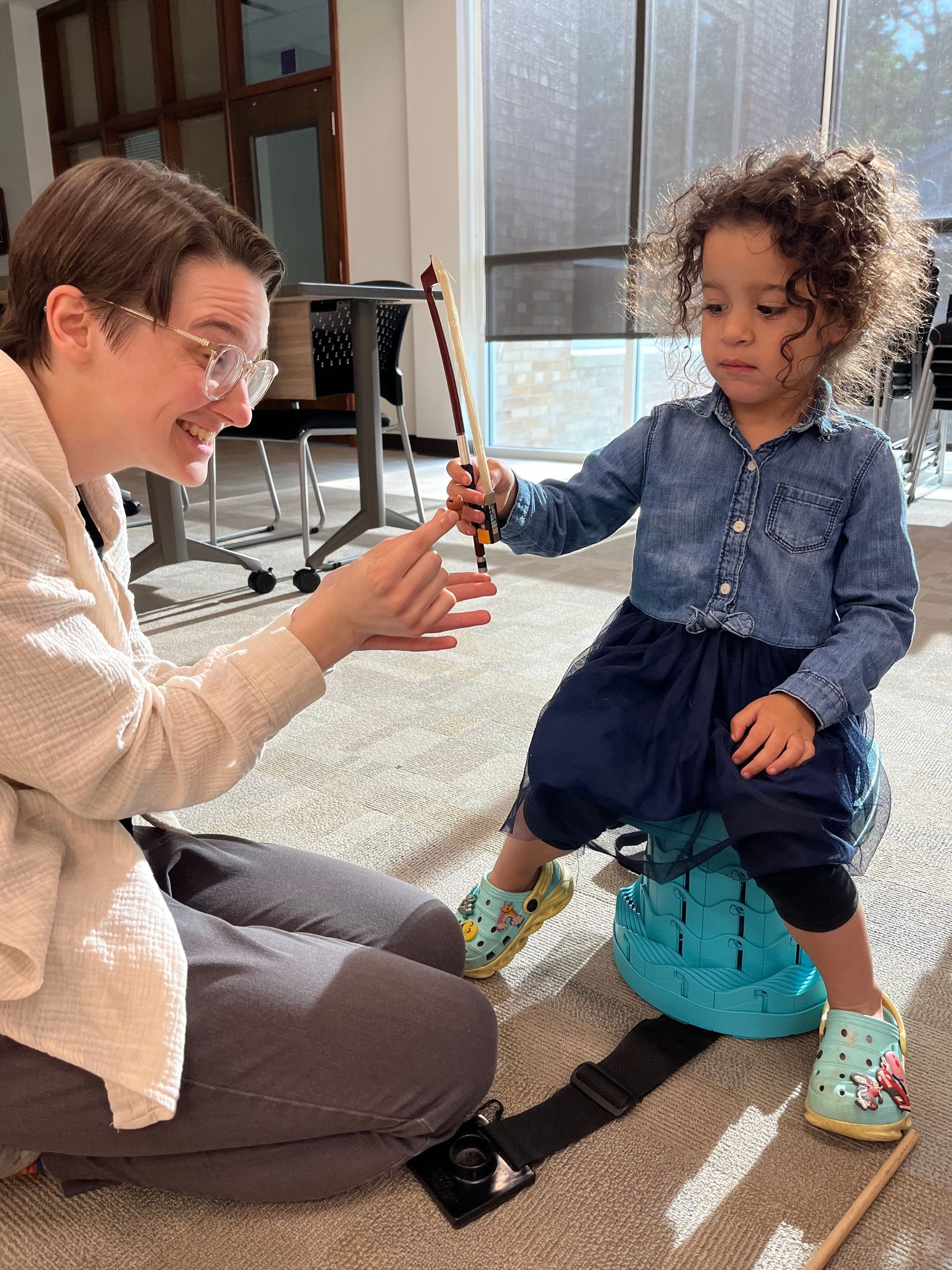
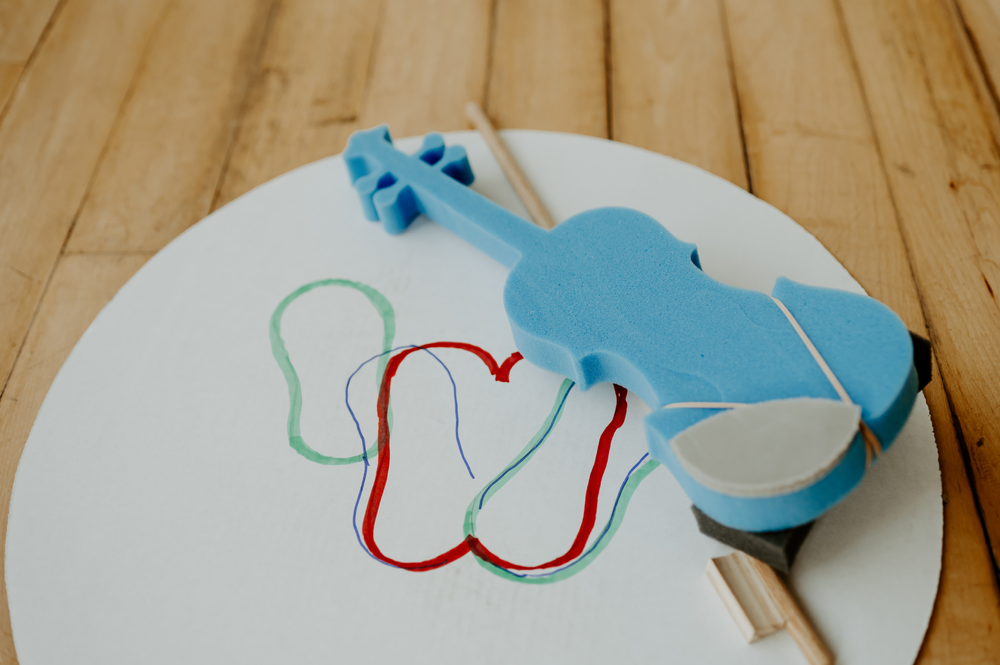
At Lakewood Suzuki Strings, we follow the Suzuki philosophy of creating a nurturing environment where joy is at the center of the learning process. Young children flourish when learning feels like fun, which is why our cello lessons are taught with engagement and positivity in mind. New skills and challenges are often introduced as creative activities and games that help maintain focus while making learning exciting.Parents also are coached on how to lead their child’s home practice with loving encouragement, celebrating every small success along the way.When a child has a teacher who believes in them and a parent who supports them, they build confidence and self-esteem, and learn to be excited by new challenges.
3. Listening Comes First

Children are naturally observant of the world around them, and learn language by listening to and imitating the sounds they hear in everyday life. Through this constant exposure, they develop the ability to understand and speak their native language long before they ever learn to read or write. This natural way of learning is what Dr. Suzuki called the “Mother Tongue Method”, and is at the core of how the Suzuki Method teaches music.
Suzuki students listen to recordings of their pieces daily, allowing them to become deeply familiar with the music before learning to play it on their instrument. Daily listening develops their musical ear, strengthens their sense of pitch and rhythm, and helps internalize the notes of each piece.
Learning by ear develops a child’s musical intuition and helps the music become a natural part of them long before their little fingers catch up. By the time they learn to play a piece on the cello, it already feels familiar and achievable!
4. Step-by-Step Mastery

Children learn best when new skills are introduced one step at a time, with each new challenge building upon previous successes. This approach helps learning feel manageable and rewarding rather than overwhelming, allowing children to develop confidence as they learn.
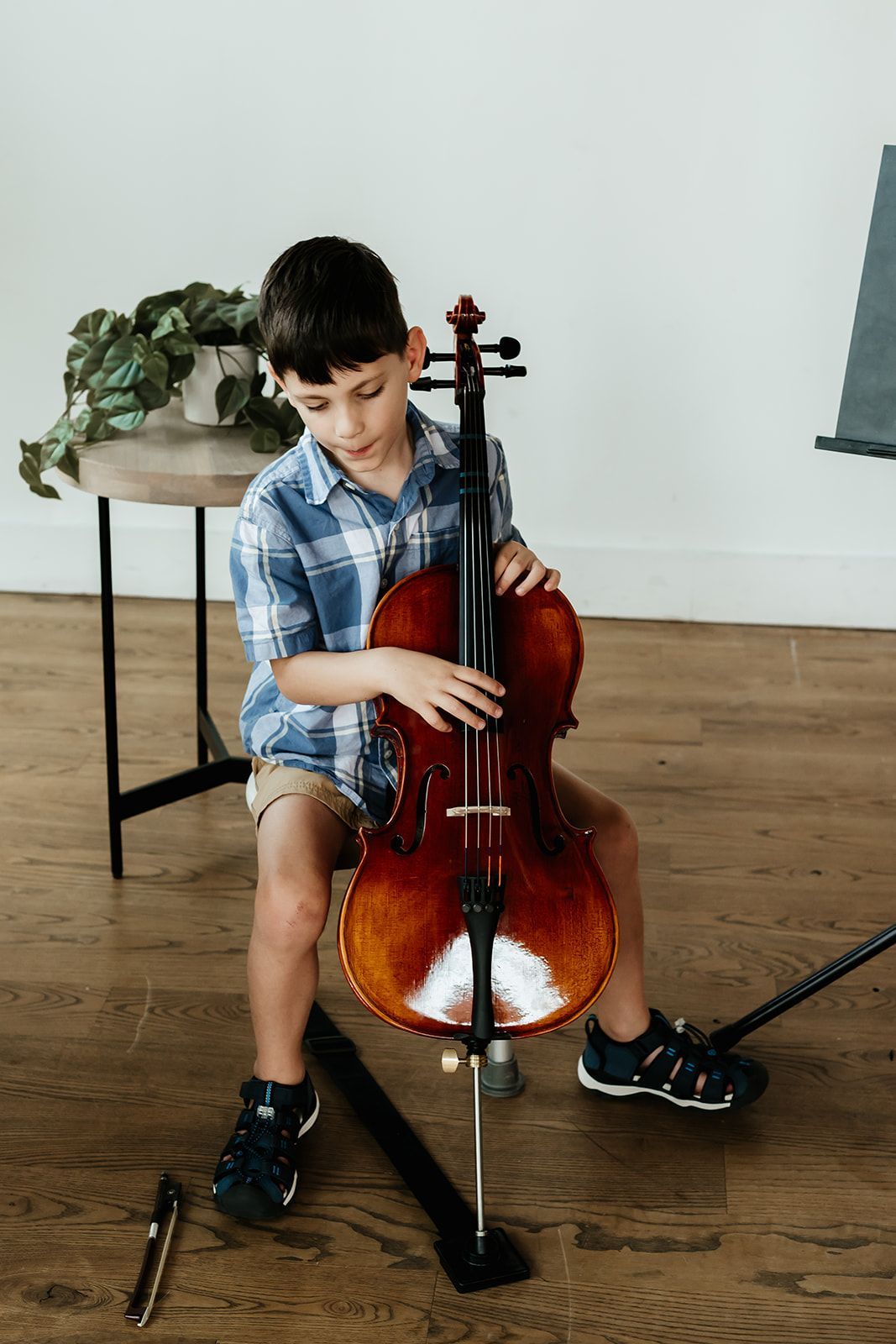
In Suzuki lessons, new skills are introduced in small, achievable steps, where preschoolers can master one simple action at a time before moving on to the next. Learning a musical instrument requires a lot of coordination, and breaking it down into small manageable steps helps children stay engaged and motivated throughout the process.
This step-by-step approach is especially beneficial for young cellists who are still developing their fine motor skills. Over time, these small layers of learning build true mastery while fostering a strong sense of pride, capability, and accomplishment.
The Suzuki approach is exactly why
early cello learning works.
Suzuki lessons are designed to capitalize on how children naturally learn and develop. Through listening, parent involvement, positive encouragement, and step-by-step learning, even children as young as 3 years old can learn a new instrument.
If you’re ready to learn more about how your child can start Suzuki lessons, contact us today to schedule a trial lesson!




Other Blogs